

Nowadays, we hear about mindfulness everywhere, on the radio, in your favourite tv show, and even at work. Many companies and schools provide mindfulness training to their employees and students to improve their performance. That is why I decided to dedicate my second post to mindfulness meditation. More specifically, explaining to you how to practise mindfulness.
We hear all the time that we must learn to live in the present moment because spending time in the past and future is just not logical since we cannot change the past and have no control over our future. I know what some people might say: “yes, but we must learn from our past” or “we need to plan our future”. I totally agree, we all need to learn from our past’s mistakes so that we don’t repeat them and plan for our future to get the most optimal outcomes. But in a normal day the majority of our thoughts are either about the past or future, and although we do need to learn and plan, I really don’t think we need to spend so many hours every single day on them. Besides, if you would be honest with yourself, you would admit that you are usually having negative thoughts, like worrying or rumination, when thinking about the past or future. This leads you to experience negative emotions. The best thing to do is to determine how much time you want to spend if you need to think about something that is not in the present moment. For example, if you need to think about what went wrong because you failed your exam or you need to make a decision about something taking place in the future. For the rest of your time, do your best to enjoy this very moment, as Omar Khayyam the Persian philosopher and poet once said:
“Be happy for this moment. This moment is your life.”
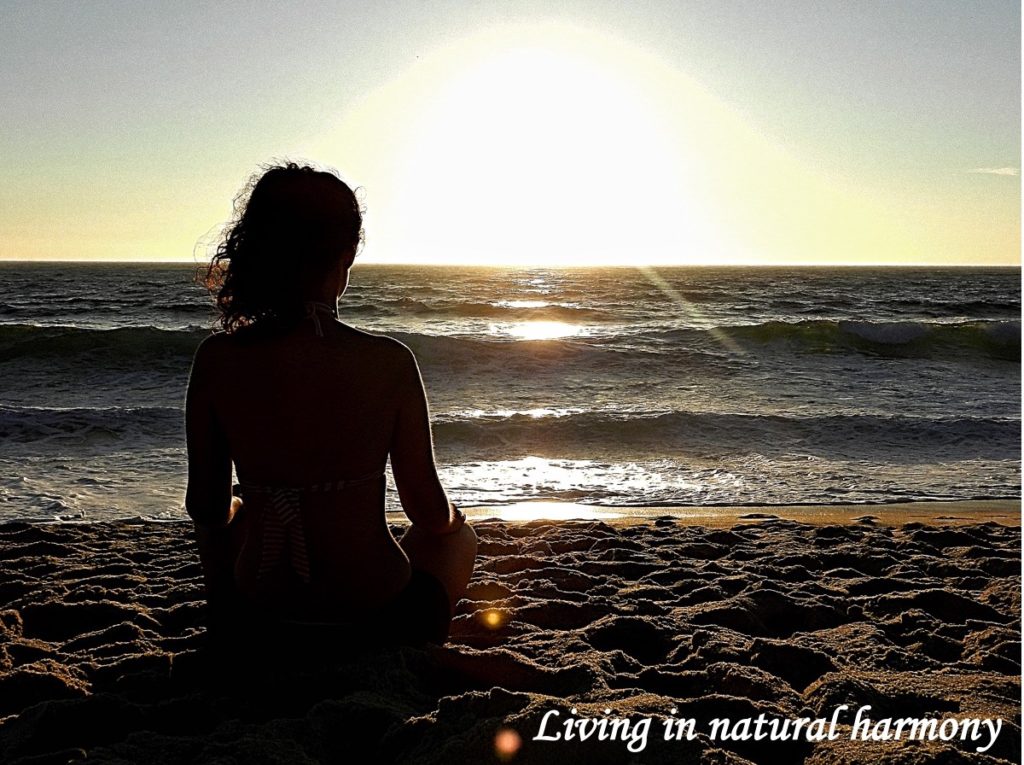

Although it is not easy to live in the present moment, practising mindfulness meditation is a great way to achieve that. Mindfulness involves guiding one’s attention intentionally to the internal and external events taking place in the present moment in a non-judgmental manner [1]. I will no longer keep you waiting, so let’s do some mindfulness together and find that point where you are completely aware of the “now”! 🙂


- Find a time and a peaceful place when and where you know you won’t be disturbed for at least 30 minutes. You may finish earlier but when you plan for a longer period of time you can be relaxed and enjoy your mindfulness instead of paying attention to the time. In general it is better to dedicate a specific place and time for your meditation sessions.
- Use candles and incense (optional): combining these two will create a calm and spiritual atmosphere as candles soothe the eyes and provide a soft and relaxing lighting and incense creates a relaxing scent.


- Music (optional): If you would like to have some meditation music in the background, it is OK but you may want lower the volume down to be able to hear all the other sounds around you, including the sound of your breathing.
- Your posture is very important during meditation. Your posture can improve concentration or cause distraction. Ideally you must sit on a chair without leaning your spine. However, you may also lie down if you prefer that but on a not too soft surface because remember that you need to maintain a stiff posture. The way I try to do that is by visualizing an imaginary rope above my head that is connected to my body that pulls my body up (just a tiny bit), which helps me to keep a right posture.
- Body relaxation: Close your eyes. Take 20 deep breaths through your belly. To breath through your abdomen you need to breathe through your nose and pushing your tummy muscles out and when exhaling you need to squeeze your tummy muscles and exhale through a small opening of your mouth. Remember to breathe in, hold your breath for few seconds (about 4 seconds) and then breathe out. Also your exhalation must take about twice as much as your inhalation. You can also use your imagination and imagine the air that comes into your body as a bright light and after that 4 seconds of holding the breath, it cleanses your body from all the negative emotions and stress and it becomes a dark purple color when you breathe it out. You can also do this breathing technique whenever you feel stressed out or anxious, as abdominal breathing has been found to significantly decrease stress [2] and anxiety [3]. Remember not to force your breathing process, you want it to happen as natural as possible. The main goal is to be aware of your respiration and not controlling it. Now that we feel relaxed, let’s start our mindfulness meditation.
- Allow all your thoughts pass by without trying to stop them because the more resistance you show, the more your unwanted thoughts will persist. Be aware of your thoughts, observe them without any judgments or emotions. Recognize the fact that they are just thoughts, not the reality and your thoughts don’t control you and then let them go.
- Now notice the sensations of breathing in and breathing out at your nostrils. Or if you prefer, instead of paying attention to your nostrils, you can be aware of the movement of your tummy, how it rises when you breathe in and goes down when you breathe out. Again remember that you are only observing how you breathe, you don’t want to control anything.
- Be aware of any sensations that you feel: for example any physical sensations like feeling the surface on which you sit on and how your body presses into it, if you feel any discomfort in your body or pressure. Do you smell anything? What do you hear? For example neighbours talking, cars on the street, the ticking of the clock, the sound of the rain. Be aware of any sensations within your body and in your surrounding at this very moment. With your eyes closed try to imagine where you are at right now and go bigger and bigger. For example you are now in your room and your room is part of your flat, your flat is in a big old building complex with 4 floors, in which neighbourhood your house is located, in which city, which country, which continent … Then come back again gradually, from the continent to the country, your city, neighbourhood, to the room you’re sitting in.
- You don’t want to exit your meditation session too fast because you are in a deep relaxed state and you would like to feel relaxed even after your mindfulness. Whenever you feel ready to finish your mindfulness session, just think once that you will finish soon and wait for about half a minute without doing anything. Then start by moving a little part of your body, like moving your pinky finger slightly. Then wait for another 30 seconds. Next, you can open your eyes very briefly and close them again and wait for another 30 seconds or so. After that you can move your body a bit more and open your eyes while seated in the same position for another 30 seconds. Then you can take a deep breathe and move freely. Congratulations you just finished your first mindfulness session! 🙂
I hope you enjoyed your mindfulness meditation and will continue practising it. As for it to have the positive effects everyone talks about you need to practise it regularly. Try to start with 10-15 minutes a day and then gradually increase it to 30 or 40 minutes. You can try 2 or 3 different times of the day and see which one works best for you. For example, I prefer to meditate in the evening around 8 or 9 pm.


I must also add that in the very beginning it may be hard to concentrate and you may even say “what is everyone talking about? I don’t feel anything different, I cannot even concentrate with all these thoughts entering my mind”. But please just be patient and have faith. Like any other life style change, adding meditation to your daily routine needs a lot of dedication for it to become a habit. Even if it is only 10 minutes meditation a day, you need sometimes to just start doing it without too much overthinking. From experience I know whenever I think too much about something that I plan to do, my (Freudian psychological) defense mechanism shows resistance and doesn’t allow me to do it. So remember, just try to practise meditation daily, have some patience and I promise you that after maybe one or two months, your meditation sessions will be what you look forward to in your day.
If you have any comments or questions you can leave them either in the comment box below or in our facebook, minds or Instagram pages. I try to answer them as fast as I can.
You can also subscribe to our blog to receive our weekly newsletter about our most recent article! 🙂
With Love,
Marjan
References